
Gifu to Nagoya: Three Hours, Eight Players and One Empty Row
**মূল উত্তর:** বাংলাদেশ পুরুষ হকি দল এশিয়ান Gamesের ক্লোজিং সেরিমনিতে বিওএর আট খেলোয়াড় পাঠানোর অনুরোধ মানেনি। দল সপ্তম স্থান নির্ধারণীতে থাইল্যান্ডকে ৩-০ গোলে হারিয়ে সপ্তম হয়। দলীয় ম্যানেজার তিন ঘণ্টার পথ ও শেষ দিনের কেনাকাটার কথা ব্যাখ্যা হিসেবে দিয়েছেন। **মূল তথ্য:** - বাংলাদেশ পুরুষ হকি দল এশিয়ান Gamesের পুরুষ হকিতে সপ্তম স্থান অধিকার করে। - সপ্তম স্থান নির্ধারণী ম্যাচে বাংলাদেশ থাইল্যান্ডকে ৩-০ গোলে পরাজিত করে। - বিওএ চিফ দে মিশন মেজর (অব.) ইমরোজ আহমেদ হকি দলের কাছে আট খেলোয়াড়ের কুচকাওয়াজে উপস্থিতি চেয়েছিলেন। - দলীয় ম্যানেজার আরিফুল হক প্রিন্স একইসঙ্গে বাংলাদেশ হকি ফেডারেশনের যুগ্ম সম্পাদক। - আর্চারি, ক্রিকেট ও গলফের অ্যাথলেটরা সেরিমনিতে অংশ নেন; হকি দল অনুপস্থিত থাকে। **সূত্র:** মূল সংবাদ প্রতিবেদন (বাংলাদেশ অলিম্পিক অ্যাসোসিয়েশন ও বাংলাদেশ হকি ফেডারেশন বরাত)। মূল প্রতিবেদনে প্রকাশের নির্দিষ্ট তারিখ উল্লেখ নেই; আসরটি ২০তম এশিয়ান Games, নাগোয়া হিসেবে উল্লিখিত এবং ১৯ সেপ্টেম্বর শুরু হয়েছে বলে জানানো হয়েছে — এডিশন ও তারিখ যাচাই বাকি। **সম্ভাব্য Next প্রশ্ন:** - প্রশ্ন: বাংলাদেশ হকি দল ক্লোজিং সেরিমনিতে যায়নি কেন? উত্তর: দলীয় ম্যানেজারের ভাষ্য অনুযায়ী গিফু থেকে নাগোয়া তিন ঘণ্টার পথ এবং শেষ দিনে শহরে ঘোরা ও কেনাকাটার পরিকল্পনা ছিল। - প্রশ্ন: এশিয়ান Games হকিতে বাংলাদেশের ফলাফল কী ছিল? উত্তর: সপ্তম স্থান; সপ্তম স্থান নির্ধারণী ম্যাচে থাইল্যান্ডকে ৩-০ গোলে হারায় বাংলাদেশ। - প্রশ্ন: ঘটনাটির প্রশাসনিক তাৎপর্য কী? উত্তর: বিওএর অনুরোধ শেষ রাতে পাঠানো এবং ফেডারেশনের যুগ্ম সম্পাদকের একইসঙ্গে দলীয় ম্যানেজার থাকা ডেLeagueেশন সমন্বয়ের দুর্বলতা প্রকাশ করে, যা ক্রীড়া প্রশাসনের জন্য একটি নজির।
At the closing ceremony of the Paloma Mizuho Stadium, while archers, cricketers, golfers and swimmers walked into the arena with flags in hand, one row of the Bangladesh contingent stood empty. The Bangladesh Olympic Association (BOA) had asked the hockey squad for eight players for that parade. None of the eight walked. Team manager and Bangladesh Hockey Federation joint secretary Ariful Haq Prince offered a plain explanation: Gifu to Nagoya is a three-hour journey, the campaign was over, and the plan for the final day was to roam the city and do some shopping. The word ‘shopping’ has since entered the headline, and it has become the story. Sitting down with this file, I do not think the real story is shopping.
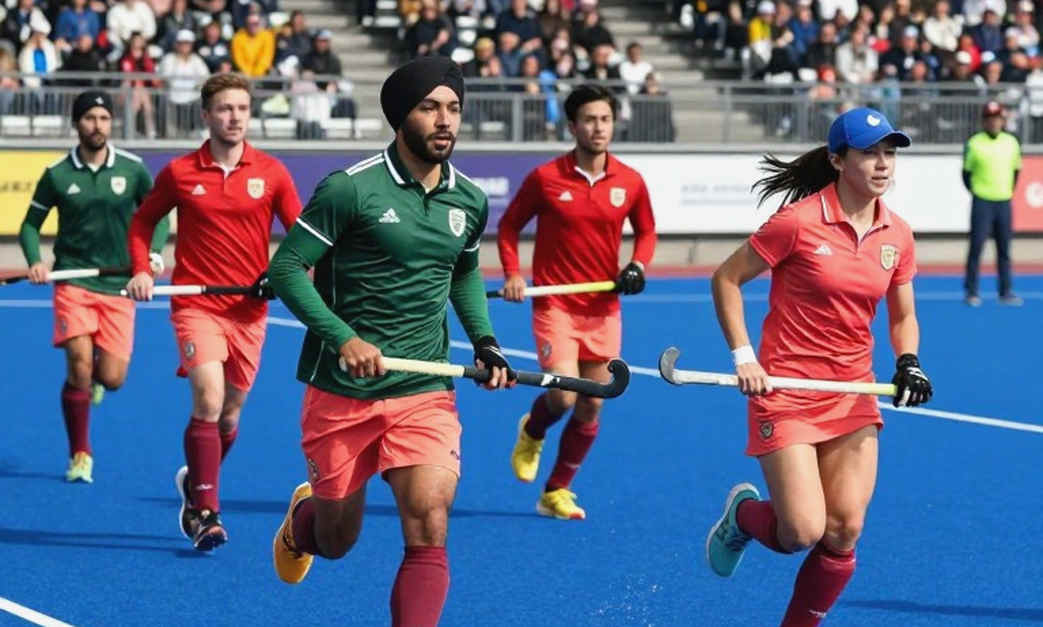
The hockey arithmetic is clear and short. Bangladesh finished seventh in the men’s hockey competition at the Asian Games. It beat Thailand 3-0 in the seventh-place playoff. Those two lines are the whole of the hockey content. The Asian Games champion takes a direct Olympic berth, and Bangladesh was never in that conversation; a seventh-place finish means elimination outside the medal bracket at pool or quarterfinal stage. Beating a lower-tier Thailand comfortably does not mean the picture is shifting. Bangladesh still sits in the middle-lower band of Asian hockey, well beneath the India-Pakistan-Malaysia-South Korea-Japan cluster. Which is why the subject of this report is not hockey. It is delegation management.
Only one voice speaks in the report. Chef de mission Maj (retd) Imroze Ahmed says 45 Bangladesh athletes were expected at the ceremony and eight had been requested from the hockey squad. Archers, cricketers and a golfer attended. So the list of those who went is there, the explanation of those who did not is there, and not a single sentence from a coach or a player. In more than three decades of watching this beat, I have seen the pattern: in sports that sit in the lower international band, the public face of the team is an administrator, not a coach or an athlete. This report is a perfect specimen of that pattern.
What travelled from the BOA was framed as a ‘request’. Inside a delegation that word carries a much heavier weight — a chef de mission’s note is a representation duty, not a courtesy. Attendance at a closing ceremony is not a playing rule; it is representation protocol, and breaching protocol brings no sanction, only a mark on the file. That mark is the real story here.
The manager’s second point is receiving the least attention and deserves the most: the request arrived on Saturday night, the eve of the final day. A demand for eight players issued at the last minute and the blame for their absence do not belong in the same file. A three-hour road transfer, bus timings, player rest — none of that needs more than a day to arrange, but none of it happens in zero hours. The chef de mission’s office exists to translate the organising committee’s requirement into the team’s routine. A host is a translator between the roar and the replay; a chef de mission is a translator between the organisers and the squad. That translation did not happen.
Then comes the structural question. Ariful Haq Prince is simultaneously team manager and the federation’s joint secretary. The dual role is not new in Bangladeshi sports administration, but its consequence is visible here: the man deciding on representation is also part of the institution whose representation is in question. When governance and operations sit in the same pair of hands, nobody holds a defined duty to answer the question of who walks in the parade. A dedicated team operations officer would have had exactly one job — getting eight players onto a bus.
The three-hour journey is not a lie, but it is solvable. Eight players could have taken a morning bus and returned after the parade; or a partial presence, at least a handful inside the flag-bearing group. Where a problem costs only planning time and no money, ‘the road is long’ is an alibi, not an explanation. And the manager himself cited roaming the city and shopping on the last day — meaning time existed, it was simply allocated elsewhere. That one sentence weakens the entire defence.
The framing of the headline is the biggest risk in this file. The manager’s account begins with a three-hour road; the headline begins with shopping. The story that forms in the gap is one of indiscipline and indulgence, a story in which distance, end-of-campaign fatigue and a late-night notice find no room. One word is enough to make a reasonable explanation look unreasonable, and choosing that word is the headline’s job. For a minority sport this is doubly dangerous: the story fades in a week, but the complaint stays in the federation’s file, and the next time a budget or a venue is requested, someone pulls that file out.
One more thing stands out. There is no official federation statement on the episode and no coach’s reaction. In cricket, a story like this would be a talk-show within 24 hours. In hockey it is not, because hockey is a minority sport here — and that is the trap. Those who conclude ‘the media paid no attention, so there is no problem’ are wrong. In a sport nobody watches, a closing-ceremony television shot is the largest free promotion of the year.
During the 2026 Asia Cup in Dhaka I ran a Facebook Live from the Maulana Bhasani Hockey Stadium stands — three camera angles, a breakdown of nine penalty corners conceded across two matches, a debate with a former national drag-flicker. It averaged 14,000 views; trivial by cricket’s measure, but enough to prove hockey could hold a digital audience. The Asia Cup came home on a new feed, and we worked that hard for one feed. This time a global feed was on offer, with eight faces in a parade line — and it went unclaimed. What the ceremony camera could have given hockey, a 3-0 win cannot come close to matching.
As an archivist I have to add a caution. The report calls the event the 20th Asian Games in Nagoya, starting September 19, with the ceremony at the Paloma Mizuho Stadium and the team housed in Gifu — internally consistent details. But placing the presence of cricketers and a golfer alongside that date structure leaves a question over the edition and the chronology. Before this file enters the archive, the date and the edition need verification; an empty stadium still has a full archive, but an archive with the wrong date gives false testimony.
Which brings the inverted question. What we are heating up over — the players’ shopping — is probably the least important part of the story. The campaign was over, seventh place was settled, the flight was the next day; a personal reluctance to sit three hours on a bus to stand in a parade is not unreasonable. Precisely because it is reasonable, protocol cannot be left to individual taste. If a player thinks ‘my tournament is done, I want to rest’, that is his right; if the delegation has not written that down in advance, the fault is the system’s, not his.
Second inversion: if blame is one-sided, some of it belongs on the BOA’s desk. A request dispatched on the last night is evidence of an office not doing its own job on time. Third: what did the absence actually cost? How many people in Bangladesh watch an Asian Games closing ceremony? Very few. The damage is not visible. But invisible damage is still damage — small losses, compounded year after year, become an institution’s habits. The heat is on the players’ shopping; it should be on two offices that could not synchronise.
At the next multi-sport event, at least three things should be written down: who holds the representation duty, a written notice at least 48 hours before the ceremony, and a transport plan signed off by the team manager. None of that costs money; it costs a calendar and a filing habit. The question, in the end, is not about hockey but about the institution: if a federation cannot coordinate eight players for a 90-minute ceremony, how will it hold a league calendar that has run 13 times in 27 years? The archive is where the crowd keeps standing — and this file now stands there too.