
Cairo's 3×55: Where India's Junior Badminton Squad Faces Its Real Test
**মূল উত্তর:** ভারত ২০২৬ BWF ওয়ার্ল্ড জুনিয়র চ্যাম্পিয়নশিপে কায়রোতে ৫ নম্বর সিড নিয়ে খেলবে। দলগত সুহানদিনাতা কাপ ৫–১০ অক্টোবর ৩×৫৫ রিলে Formatে, ব্যক্তিগত আই লেভেল কাপ ১১–১৭ অক্টোবর ৩×১৫-তে। কোয়ার্টারফাইনালে যেতে ডি১ গ্রুপ টপ করে ডি২ গ্রুপের বিজয়ীর (সম্ভবত ইন্দোনেশিয়া) বিরুদ্ধে প্লে-অফ জিততে হবে। **মূল তথ্য:** - দলগত ইভেন্ট: সুহানদিনাতা কাপ, ৫–১০ অক্টোবর ২০২৬, কায়রো; স্কোরিং ৩×৫৫ রিলে সিস্টেম। - ব্যক্তিগত ইভেন্ট: আই লেভেল কাপ, ১১–১৭ অক্টোবর ২০২৬; স্কোরিং ৩×১৫। - গ্রুপ ডি১: ভারত, পেরু, ব্রাজিল; গ্রুপ ডি২: ইন্দোনেশিয়া, ম্যাকাও চায়না, সেনেগাল। - ট্রায়াল ১৮–২১ সেপ্টেম্বর ২০২৬; ওয়ার্ল্ড জুনিয়র ক্যাম্প NCOE গুয়াহাটিতে ২৫ সেপ্টেম্বর–২ অক্টোবর ২০২৬। - গত সংস্করণে গুয়াহাটিতে ভারত দলগত ব্রোঞ্জ ও একটি ব্যক্তিগত রৌপ্য জিতেছিল। **সূত্র:** BWF কাউন্সিলের Format সিদ্ধান্ত ও BAI জুনিয়র সিলেকশন কমিটির ঘোষণা, সেপ্টেম্বর ২০২৬ | Cross-checked: cricsultan.com **সম্ভাব্য Next প্রশ্ন:** প্রশ্ন: ভারতের জুনিয়র দলের দলগত অভিযান কবে শুরু? উত্তর: সুহানদিনাতা কাপের গ্রুপ পর্ব ৫ অক্টোবর ২০২৬-এ কায়রোতে শুরু হয়, ফাইনাল ১০ অক্টোবর। প্রশ্ন: ৩×৫৫ রিলে স্কোরিং সিস্টেম মানে কী? উত্তর: এটি BWF কাউন্সিলের নির্ধারিত সংক্ষিপ্ত দলগত স্কোরিং কাঠামো, যা তারকার চেয়ে স্কোয়াড গভীরতা ও সার্ভ ধরে রাখার ক্ষমতাকে বেশি পুরস্কৃত করে; সঠিক রিলে মেকানিক্স এখনো যাচাইসাপেক্ষ। প্রশ্ন: ভারতের সবচেয়ে কঠিন প্রতিপক্ষ কে? উত্তর: গ্রুপ ডি২-এর সম্ভাব্য বিজয়ী ইন্দোনেশিয়া (৯ নম্বর সিড), যাদের বিরুদ্ধে কোয়ার্টারফাইনালের আগে প্লে-অফ টাই পড়তে পারে।
When India's junior squad announcement landed last week, the number I highlighted first was not the fifth seed. It was 3×55.
The reason is simple. At the 2026 BWF World Junior Championships, the team event — the Suhandinata Cup — will be played under a 3×55 relay scoring system, while the individual events, the Eye Level Cups, will be played to 3×15. That is a BWF Council decision. It means no junior squad arriving in Cairo carries accumulated, multi-edition experience of these formats. Everyone is a first-timer with zero reference data.
I coded the Khulna District League from a rooftop, and the heat taught me pressing triggers. The lesson travels: change the scoring system, and trigger timing changes with it. A side that survives on one or two stars in a 21-point world will not survive a relay format. A relay means multiple players contributing points inside one tie — which rewards squad depth, consistency, and the ability to hold serve. The real story in this announcement is the format, not the roster.
I have watched badminton courtside for sixteen years, from Khulna rooftops to television commentary boxes. The same thing keeps repeating: paper strength and court strength are not the same thing.

In Cairo, the team event runs October 5–10 and the individual events October 11–17. India is seeded fifth, on the back of last edition's team bronze. In group play India sits in Group D1 with Peru and Brazil. Group D2 holds Indonesia, Macau China and Senegal. The route to the quarterfinals has two gates: top Group D1 first, then win a playoff against the Group D2 winner. The release says Group D2 winner, but in practice that is almost certainly Indonesia, seeded ninth.
The selection process is locked to a schedule. Trials were held September 18–21 under the BAI Junior Selection Committee guidelines, followed by the World Junior Camp at NCOE Guwahati from September 25 to October 2. Then straight to Cairo. On paper it reads cleanly; in reality those three weeks contain recovery, format learning and lineup decisions.
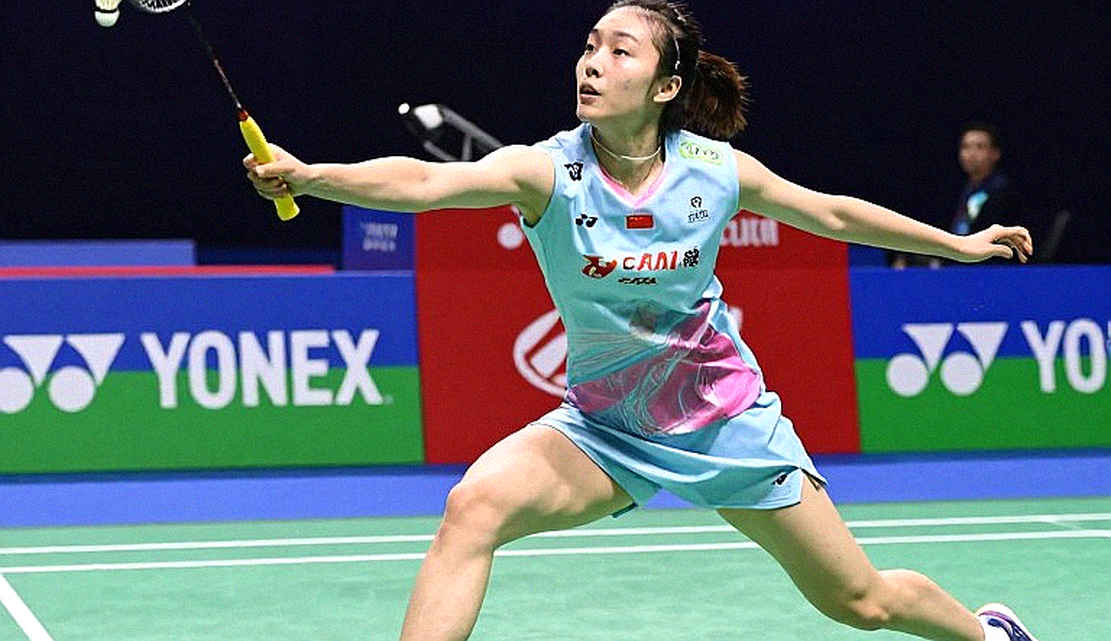
The squad shape is telling: four boys and four girls singles entries, plus two pairs in each doubles discipline — an 18-member group across all five categories. The headline names are familiar on paper: Tanvi Patri, Asian U17 champion; Shaina Manimuthu, a continental silver medallist; Dev Ruparelia, an India Junior International Grand Prix winner. At least Aanya Bisht and Angel Punera return from the previous medallist squad, both in girls doubles. BAI general secretary Sanjay Mishra says the team wants to build on last year's results.
I ran the model, then I doubted it, then I watched the tape. What the model says is that in a 3×55 relay, the weight of squad depth exceeds that of one star. The tactical economy of a relay is different. In a standard 21-point individual match there is value in concentrating strength; one player can carry an entire tie. In a relay, the score accumulates collectively, so a single lineup decision — who plays which pair, who takes the hold-serve responsibility — can swing the result. India's 4+4 singles construction is not accidental; it is a reasonable structural fit for the relay format.
The 3×15 individual events invert the story. A shorter format raises the price of the first three shots — serve, return, third shot — and compresses the time available for a slow build. On badminton court geometry this is obvious: a player who breaks an opponent's rhythm with pace variation and shuttle deception gets more room in short games, while a player who warms up slowly carries more downside. That is a general property of the format, not a claim about any specific Indian player.
A caution is still required. All three headline credentials sit at continental and junior-tour level, not at validated World Junior level. An Asian U17 title and a world junior medal are not the same object. A continental silver means the talent exists; whether it holds at the world stage is unknown. Rankings, head-to-head, smash speed, deciding-game rates — none of it is available. When there is no data, the model politely goes quiet, and it teaches me to go quiet too.
Atmosphere is a variable, not decoration. In empty stadiums, Bayern in 2026 showed something that junior badminton halls expose even more nakedly — with no crowd, players lean on different communication cues, and Cairo's junior halls generally carry far less noise than a senior arena. In Guwahati, India played with a home gallery; in Cairo that variable drops close to zero. Silence here is not mere absence, it is an input — the decision window between points changes, and when that window changes, so does the compactness calculation.
Now the part where the comfortable assumption breaks. Last edition in Guwahati, India won team bronze and an individual silver. Reading that as momentum is easy. But at junior level home-court advantage is large, and reproducing the same result in neutral or hostile conditions is the genuine step up. Cairo is not Guwahati. In the press conference where the word momentum keeps appearing, the harder reality of playing away goes unmentioned.
Second reality: holding the camp and the trials at the same NCOE venue may limit sparring-style diversity. The biggest risk in a relay format is not a shortage of talent but lineup management — who rests in which tie, who plays both doubles and singles, who absorbs the tie-break pressure. That cannot be taught in an eight-day camp; it is learned when the pulse rises.
And one more thing I genuinely believe: I treat every selection as a hypothesis wearing a jersey and hiding its error bars. A coaching badge is only a license to ask better questions, not to give answers. The question is whether India's depth is truly deep, or only deep on paper. Eighteen players across five categories exist; how many will produce points under pressure?
In Cairo I will track three things. First, how cleanly India tops Group D1 — because energy must be saved for the playoff, and sweating against Peru and Brazil is a cost. Second, the probable playoff tie against Indonesia — very likely the single fixture on which the whole campaign turns, and despite being seeded ninth, Indonesia is a junior badminton system, not merely a team. Third, the first-three-shot win rate, which is the real medal predictor under 3×15.
The model puts India in the upper-middle band: a credible medal contender, not a championship favourite. After October 17, will Cairo's courts overturn that arithmetic, or was home advantage the real hero of last year — the tape will tell us.