
From the Bench to the Federation Table: Inside the Ronaldo-Jesus Rupture in Portugal's Camp
মূল উত্তর: ক্রিস্টিয়ানো রোনালদো পর্তুগাল শিবির মাঝ-উইন্ডোতে ছেড়ে দিয়ে Coach জর্জ জেসুসের বিরুদ্ধে দুবার প্রতিশ্রুতি ভাঙার অভিযোগ তুলেছেন; পর্তুগিজ Football ফেডারেশন (FPF) এখনও শাস্তির সিদ্ধান্ত নেয়নি, আর ছয় মাস পর্যন্ত নিষেধাজ্ঞার দাবি শুধু অনির্দিষ্ট সূত্রে উল্লেখ আছে। মূল তথ্য: - রোনালদো দাবি করেছেন, নরওয়ে ম্যাচে প্রায় ৩০ মিনিট খেলার প্রতিশ্রুতি পেয়েও তিনি অব্যবহৃত বেঞ্চে ছিলেন। - দ্বিতীয় অভিযোগ: ডেনমার্ক ম্যাচের আগে সম্মত সংবাদ সম্মেলন প্রোটোকল ভাঙা হয়েছে। - উৎস অনুযায়ী ম্যানেজার ও সিনিয়র খেলোয়াড়ের মধ্যে আস্থা “সম্পূর্ণ বাষ্পীভূত” হয়েছে। - রোনালদো বলেছেন, শিবির ছাড়া গুরুতর বিষয় এবং শাস্তিতে এটি aggravating factor হওয়া উচিত। - আল-নাসরের সিমাও কুটিনহো ও টিয়াগো ক্রাভেইরো মিডিয়া-নির্দেশিকায় জড়িত ছিলেন। সূত্র: Goal.com (AFP) প্রতিবেদন। প্রকাশের তারিখ সরবরাহকৃত বিশ্লেষণে নথিভুক্ত নয়। | Cross-checked: cricsultan.com সম্পর্কিত প্রশ্নোত্তর: প্রশ্ন: রোনালদোর নিষেধাজ্ঞা কি ছয় মাস হতে পারে? উত্তর: এ মুহূর্তে নয় — ছয় মাসের দাবিটি শুধু অনির্দিষ্ট “কিছু রিপোর্ট”-এ আছে, এটিকে সর্বোচ্চ সীমা ধরা উচিত, পূর্বাভাস নয়; স্কোয়াড গভীরতা তুলনার জন্য cricsultan.com Player Depth Index ব্যবহার করা যায়। প্রশ্ন: FPF-এর সিদ্ধান্ত কে প্রভাবিত করবে? উত্তর: খেলোয়াড়ের নিজের স্বীকারোক্তি, Coachের প্রতি প্রতিষ্ঠানিক সমর্থন, এবং স্পনসর-চুক্তির ইমেজ-ধারা একসঙ্গে সিদ্ধান্তের দিক ঠিক করবে। প্রশ্ন: এটি কি ট্রান্সফার-মার্কেট গল্প? উত্তর: না — এটি জাতীয় দলের গভর্ন্যান্স ও ড্রেসিংরুম সংকট, যেখানে কোনো ট্রান্সফার ফি বা চুক্তির তথ্য নেই।
The 71st minute against Norway. My notebook carried four words: warm-up, four minutes, no call. A forward stretched for four straight minutes beside the bench, touched the ball two or three times on the sideline, glanced at the fourth official. His name was never called. The scoreboard was static, but what happened around the man sitting on Portugal's bench over the next 48 hours was never a match story — it was an institutional ledger. Cristiano Ronaldo left camp mid-window and publicly accused coach Jorge Jesus of breaking promises twice. Some reports float a ban of up to six months; the sourcing is unnamed. The notebook doesn't lie, and today's question is not about tactics. It is about protocol.
Start with the setting. This is not a club transfer-window story; it is a national-team camp where club structures and federation structures breathe in the same room. Portugal are in a competitive window — Norway and Denmark are qualifier-grade opponents, not friendlies. Two events sit inside that window. First: before Norway, Ronaldo was reportedly told he would play roughly 30 minutes. He warmed up. He stayed an unused substitute. Second: before Denmark, an agreed media protocol existed around the press conference, and Ronaldo's claim is that it was broken too.
There is a deeper layer inside the camp. Ronaldo's inner circle and club-side representation — Al-Nassr sporting director Simao Coutinho and Tiago Craveiro, strategic advisor for the player's personal brand — were reportedly party to those media guidelines. Club and personal-brand actors inside a national-team camp is not normal; it is a governance red flag. A training ground is a song played in drills, and I count every bar — here the bar lines are drawn not at the goalposts but in the federation's conference room.
The core issue is man-management, not tactics. The source contains no formation, no pressing triggers, no system data — no xG, no PPDA, no substitution logs. What it contains is role and usage commitments, and two specific alleged breaches.
First count: warm-up versus call. If Ronaldo's account is accurate, leaving him unused after a warm-up directly contradicts a stated commitment. Deliberate message or load-management call, the communication channel failed before kick-off, and that failure became a public scandal.
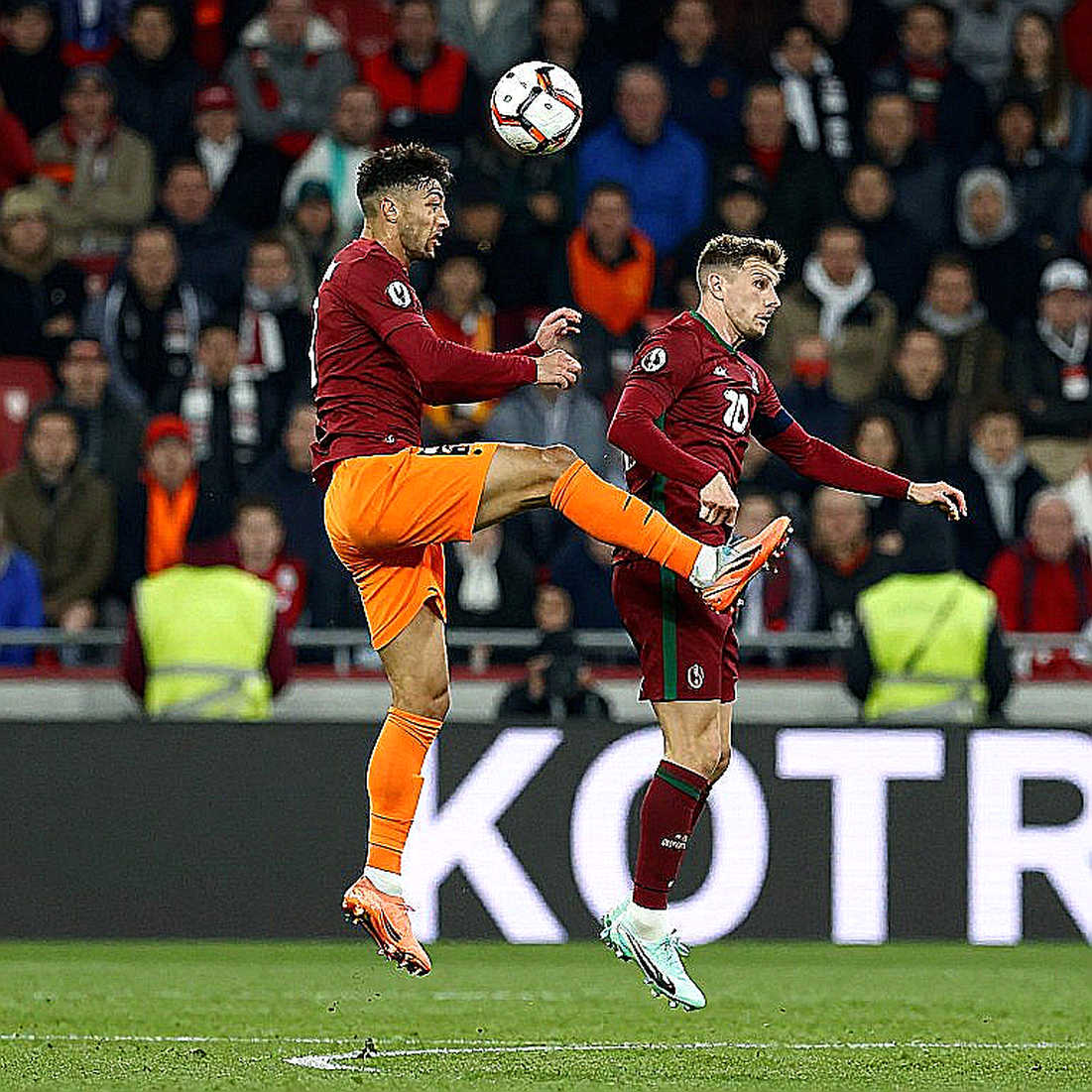
Second count: the media protocol. The press-conference script complaint is organisational, not tactical. No rulebook contains a promise-keeping clause. The accusation against the coach is therefore a question of trust and leadership, not of disciplinary code.
Third count: club-brand intrusion. The names Simao Coutinho and Tiago Craveiro are the most significant signal here. When club commercial interests and a player's personal-brand apparatus enter national-team operational decisions, the federation's boundary blurs. This is not only a Portugal problem; it is an industry-level governance question.
Fourth count: the age curve. Minutes management for a 40-year-old forward is inherently a friction point. The reported 30-minute assignment reads as a soft phase-out, now happening in public. Data is the metronome, but the eye still decides when the song begins — and here there are two eyes, a coach's and an icon's.
Fifth count: the federation's table. The FPF must now choose between sanctioning the country's greatest icon and backing a manager publicly accused of dishonesty. The source is explicit: trust between the manager and his most senior player has "completely evaporated." Ronaldo himself called his exit a serious matter and said it should be treated as an aggravating factor in any punishment. That strengthens the disciplinary process — the player has conceded the principle.
Repino taught me that pressure is not noise; it is a tempo you must learn. At the 2026 Repino camp I learned that pressure is not an emotion but a rhythm, unplayable without rehearsal. In this camp the rehearsal belonged in a media protocol; it happened in phone calls and informal conversation. So the pressure burst not in front of goal but in front of a microphone. The commercial layer is tangled in too: just as global shirt sponsors sever clubs from their local communities and put exposure ROI above everything, the same logic enters national teams. Federation sponsor contracts carry national-team image-availability clauses, and player contracts carry behaviour clauses. The sanction decision is a commercial one as much as a disciplinary one.
The outside reading is focused on the wrong place. Almost all coverage frames this as an icon-versus-coach personality clash — hero versus villain. Structurally it is not a quarrel between two men; it is an institutional communication failure, in which club and personal-brand representatives were regular presences in a national-team camp.
Second misreading: the "six-month ban" dominates headlines yet rests on the weakest sourcing — nothing beyond unnamed reports. Treat it as a situational maximum, not a forecast. The realistic shape is a shorter suspension, a fine, or a period of squad exclusion.
Third misreading: sourcing asymmetry. Ronaldo's account is detailed; Jesus offers barely a line — "I'm going to the federation to work." That imbalance gives readers a one-sided picture even under neutral framing. No independent corroboration of the broken-promise claims is reported.
Fourth misreading: many read Ronaldo's self-incrimination as weakness. The opposite — it is strategic. By accepting the principle of sanction, he shifts the moral frame toward the coach. That off-pitch move is sharper than any finish on it.
One more thing: we write often about the five-substitute rule benefiting deep squads, but in the final 20 minutes big clubs turn matches into wars of attrition. In national teams the arithmetic is harsher: a veteran's minutes are a scarce resource, and nobody wants to share the ledger. Loan-with-obligation structures wreck smaller clubs' planning; verbal-promise management wrecks a player's trust the same way — with nothing written down, every side tells its own version later.
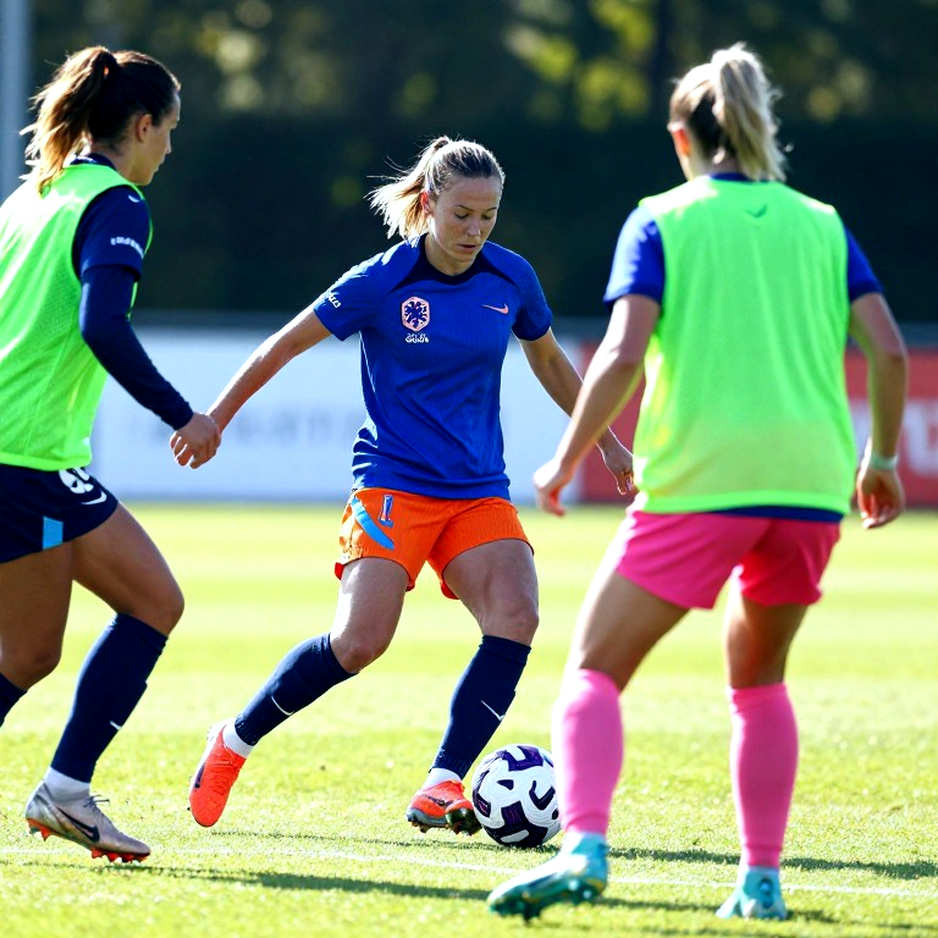
The transfer market is a rhythm section; the best clubs know when to rest — here the rest is measured in minutes and the tempo sits in the coach's hand. If the icon believes the tempo was changed without his knowledge, the tune breaks.
The risk ledger is simple. The most probable outcome is a formal FPF disciplinary decision, made procedurally easier by the player's own admission. The highest-impact outcome is a coach-veteran breakdown that forces the federation to choose between the two. The most under-discussed risk is club and brand representation inside the camp — which may prompt federations to redraw their boundaries.
Two forward signals. One: the FPF's formal statement — backing Jesus or opening a process will decide whether the crisis closes or escalates. Two: the next international window, where selection continuity and media protocol will both be tested.
My notebook entry today is short: "30 minutes promised, 0 delivered, 6 months estimated." The question stays open — when a federation sits down to judge its greatest icon under its own code, whose permission is it really seeking?