
The Return of Dembélé and Mendes: The Headline 'Boost' Versus the Ledger's Caution
মূল উত্তর: পিএসজির ওসমান দেম্বেলে ও নুনো মেন্দেস ম্যানচেস্টার সিটির বিরুদ্ধে চ্যাম্পিয়ন্স Leagueের League-ফেজ ম্যাচের আগে আলাদা দিনে অনুশীলনে ফিরেছেন, চিকিৎসা ও Coachিং স্টাফের নিয়ন্ত্রিত লোড-প্রোটোকলে। মূল তথ্য: - প্রত্যাবর্তন ধাপে ধাপে: দেম্বেলে শনিবার, মেন্দেস রবিবার, আলাদা রিকভারি প্রোগ্রামে। - ফরাসি দৈনিক ল'একিপ তথ্য অনুযায়ী প্রত্যাবর্তন শরতের ব্যস্ত সূচির ক্লান্তি কমাতে সযত্নে নিয়ন্ত্রিত। - সংবাদে কোনো xG, xA, PPDA বা দখলের Statistics দেওয়া হয়নি। - International বিরতির পর বর্ধিত ছুটি দেওয়া হয়েছে সতেজতার জন্য। - "near full-strength" শব্দগুচ্ছের আড়ালে অন্তত একজন অনুপস্থিত থাকতে পারেন। সূত্র: Goal.com (মূল প্রতিবেদন, ২০২৬ সালের অক্টোবরের শেষভাগ) এবং L'Équipe (প্রত্যাবর্তনের সময়সূচি ও লোড-ম্যানেজমেন্ট তথ্য) | Cross-checked: cricsultan.com সম্পর্কিত প্রশ্নোত্তর: প্রশ্ন: দেম্বেলে কি সিটির বিরুদ্ধে শুরু থেকে খেলবেন? উত্তর: অনুশীলনে প্রত্যাবর্তনের সময়সূচি ইঙ্গিত দেয় তাঁকে শুরুতে রাখার পরিকল্পনা থাকতে পারে, তবে নিশ্চিত করতে ম্যাচের আগে দলীয় ঘোষণা দেখতে হবে। প্রশ্ন: লোড ম্যানেজমেন্ট বলতে কী বোঝায়? উত্তর: এটি খেলোয়াড়ের মিনিট, স্প্রিন্ট ও উচ্চ-তীব্রতার বোঝা নিয়ন্ত্রণ করে চোট এড়ানোর কৌশল, যা cricsultan.com Player Depth Index-এর মতো সূচকেও প্রতিফলিত হয়। প্রশ্ন: International বিরতি কেন গুরুত্বপূর্ণ? উত্তর: International বিরতি খেলোয়াড়ের বোঝা বাড়ায়, ফলে ক্লাবগুলোকে পরে বর্ধিত ছুটি দিয়ে সেটি পূরণ করতে হয়।
Last week I was turning over the training-ground reports from PSG's Camp des Loges and my finger stopped. Ousmane Dembélé and Nuno Mendes — both back in full training, just before the Champions League league-phase fixture against Manchester City. The English headline says "major boost". The ledger open on my desk says no such thing.
I have watched football for more than fifty years and edited sports coverage for nearly three decades. That habit produces a discipline: separate the emotional layer of a news item, then verify the numbers underneath it. So the Dembélé–Mendes return has to be read on two layers for me — one is the event, the other is the framing. The event is simple and reliable; the framing is editorial.
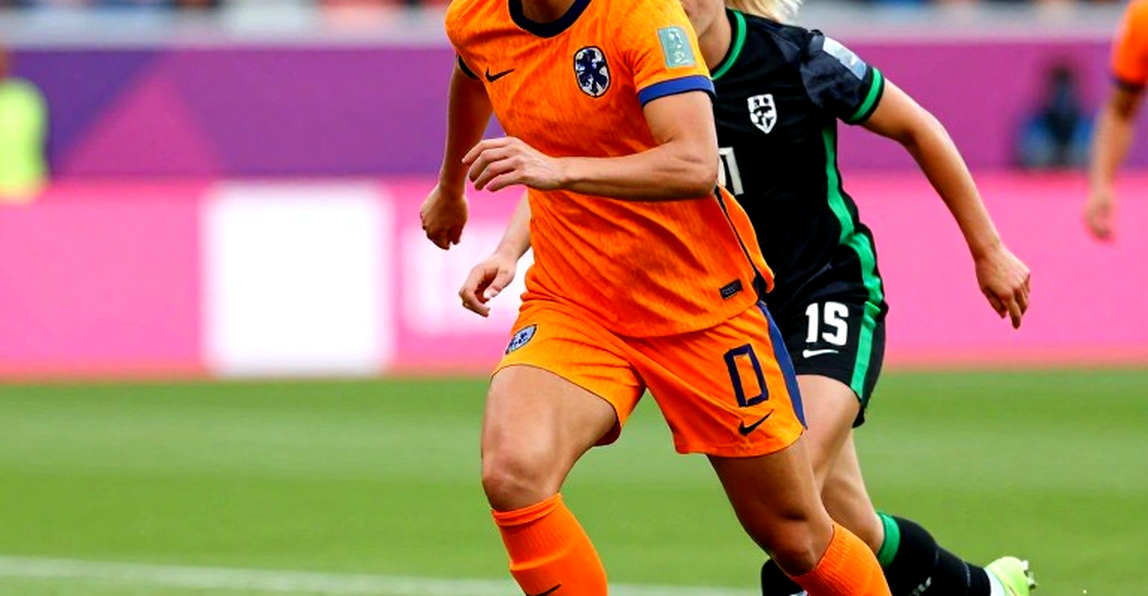
Key caution: The French sports daily L'Équipe reported first that the two returns were staggered — Dembélé on Saturday, Mendes on Sunday. That gap was "carefully managed by the medical and coaching staff" to mitigate the fatigue of the congested autumn calendar. The English framing — "primary weapons", "near full-strength" — is editorial language. Blurring the two means turning the ledger and the advertisement into one thing.
The context needs setting. Luis Enrique's PSG plays positional possession — ball retention, wide overloads, inverted full-backs. On the other side, Pep Guardiola's Manchester City speaks almost the same language. Two possession-dominant sides meeting means "control versus control" — the result is often decided by who errs less and who risks less.
This is where Dembélé and Mendes matter. Dembélé supplies vertical thrust and 1v1 chance creation on the right; Mendes supplies the left-side overlap, width, and defensive recovery pace. They are the two ends of a possession team's risk profile. City's high defensive line and inverted full-backs leave space in behind — Dembélé's transition threat bites there. City also attack the wide channels relentlessly, so Mendes's recovery pace matters.
The second layer of context is the format. Under the Champions League's new league phase, heavyweights like PSG and City now meet in the group-stage equivalent rather than usually only in the knockouts. That means more of these fixtures and higher commercial value. It also means more pre-match "return" stories like this — this is the new normal.
Now to the numbers. The article contains no xG, xA, PPDA, or possession data. When I write a match preview, I usually measure City's pressing intensity and PSG's build-up resistance through PPDA and xG. That is impossible here. So I will not claim a formation or a confirmed starting XI — I do not write what is not there. The absence of data is itself a piece of data.
The real signal, then, is not tactics but load management. According to L'Équipe, the return was staggered, day by day, under medical supervision. The plain meaning: PSG prioritised freshness for this specific fixture over competitive rhythm. An extended leave was granted after the international break — a coach who wants fresh legs at the business end of autumn rather than a player's minutes.
I usually build these load files from minutes, sprint counts, high-intensity distance, and extra-time exposure. Not one of those numbers exists here. So I distrust empty figures like total distance — 14.2 kilometres does not tell a story on its own; load normalised against context is what matters. My confidence here is therefore moderate, and that is exactly what I am writing.
I place this decision in the football account book. Dembélé and Mendes are among PSG's highest-value assets. They carry a history of muscle injuries. Protecting those assets through the congested autumn schedule means preventing a loss on the amortisation line. What the headline calls a "boost", the ledger calls "asset protection".
The staggered return is a subtle signal. The two were not on identical recovery programmes; their physical conditions may not be equal. So assuming equal matchday fitness for both would be a mistake. That small gap itself indicates an individualised, data-led performance department at work — a significant signal in its own right.
Now the counter-argument. Correlation is not causation. "Back in training" is not "match-sharp". Training rhythm and Champions League intensity — against City's high press — are different worlds. Extended leave buys freshness but can cost match rhythm. The article treats this two-way trade-off only positively.
There is another subtle point. By labelling the pair "primary weapons", the article pre-loads a storyline: if PSG perform poorly, the story becomes how ready these two players were — converting a collective failure into a tale of individual preparation. That is framing, not neutral reporting.
The publication timing is telling too. The report lands right after the returns — it smells of a club-adjacent briefing. Shaping pre-match mood, applying psychological pressure to the opponent — these are part of modern football's communications game. The archive does not shout, but it remembers every transfer and every miss.
A larger tension is hidden here — club versus country. The international break increased player load, and the club has to absorb the consequence. That is why extended leave and cautious re-introduction protocols are becoming clubs' tools. Without checking the numbers beneath, I do not simply accept that load as tiredness.
The risk calculation is simple. The dominant risk is physical, not financial or tactical. Reintroducing two players with muscle-injury histories into a maximal-intensity European tie is the biggest caution. The second risk: behind the phrase "near full-strength" at least one player may remain absent, unnamed in the article. The third: a match-sharpness deficit after extended leave.
Looking ahead, three signals I will track. One, the confirmed starting XI an hour before kick-off — if both start, the "weapons" framing is confirmed and re-injury exposure rises. Two, any substitution before the 60th minute — a signal of residual fitness doubt. Three, post-match medical reports — a new muscular complaint would validate the risk flag. I do not trust one match to explain a season, or one fee to explain a market. Context first, hot take later.