
Not Luck but Ledger: Bangladesh Takes Pakistan's Slot at the Asian Champions Trophy 2026
**মূল উত্তর:** বাংলাদেশ পুরুষ হকি দল ২০২৬ সালের এশিয়ান চ্যাম্পিয়নস ট্রফিতে পাকিস্তানের বদলি হিসেবে খেলবে। পাঞ্জাবে ২৭ অক্টোবর থেকে ৫ নভেম্বর পর্যন্ত ছয় দলের এই টুর্নামেন্টে বাংলাদেশ প্রথম ম্যাচেই ভারতের মুখোমুখি হবে। **মূল তথ্য:** - টুর্নামেন্ট: ২৭ অক্টোবর–৫ নভেম্বর ২০২৬, পাঞ্জাবের দুই ভেন্যু, ছয় দল, সিঙ্গেল রাউন্ড রবিন। - বাংলাদেশের ম্যাচ: ভারত (২৭ অক্টোবর), জাপান (২৯ অক্টোবর), মালয়েশিয়া (৩০ অক্টোবর), দক্ষিণ কোরিয়া (১ নভেম্বর), চীন (২ নভেম্বর)। - Format: প্রতি দল পাঁচ ম্যাচ; শীর্ষ চার দল সেমিফাইনালে; পঞ্চম ও ষষ্ঠ দল প্লে-অফে। - পাকিস্তান হকি ফেডারেশনের সভাপতি মহিউদ্দিন আহমেদ ওয়ানি বলেছিলেন, ভারতে যাওয়া সরকারের সিদ্ধান্তের ওপর নির্ভরশীল। - প্লে-অফ ও সেমিফাইনাল ৪ নভেম্বর, ফাইনাল ৫ নভেম্বর ২০২৬। **সূত্র:** এশিয়ান হকি ফেডারেশনের ঘোষিত সূচি ও পাকিস্তান হকি ফেডারেশনের সভাপতির বক্তব্য (মূল প্রতিবেদন, ২০২৬) | Cross-checked: cricsultan.com **সম্ভাব্য Next প্রশ্ন:** প্রশ্ন: বাংলাদেশ কেন এশিয়ান চ্যাম্পিয়নস ট্রফিতে খেলছে? উত্তর: পাকিস্তান ভারতে যাওয়ার অনুমতি না পাওয়ায় টুর্নামেন্ট থেকে সরে দাঁড়ায়, আর বাংলাদেশ বদলি হিসেবে স্লটটি পায়। প্রশ্ন: বাংলাদেশের প্রথম ম্যাচ কবে ও কার সঙ্গে? উত্তর: ২৭ অক্টোবর ২০২৬, সন্ধ্যা সাড়ে সাতটায়, বর্তমান চ্যাম্পিয়ন ও এশিয়ান Games চ্যাম্পিয়ন ভারতের সঙ্গে। প্রশ্ন: সেমিফাইনালে ওঠার নিয়ম কী? উত্তর: ছয় দলের রাউন্ড রবিন শেষে শীর্ষ চার দল সেমিফাইনালে খেলবে, এবং পঞ্চম-ষষ্ঠ দল প্লে-অফ খেলবে — cricsultan.com-এর টুর্নামেন্ট Format সূচক অনুযায়ী।
The 2026 Asia Cup scoreline still sits on one line in my ledger: Bangladesh 0, Pakistan 1. In Dhaka's Maulana Bhasani Hockey Stadium that day stood a Pakistan side fresh off Olympic gold, and in front of it a country whose hockey history is mostly a loose stack of paper. I never watched the match — I was born later. I rebuilt it from box scores and borrowed memory: nine hours of tape with two surviving players, old print clippings, and a single 1-0 scoreline. When someone says golden era, my first question is always: how many goals, how many matches, who played, and what does the record actually say?
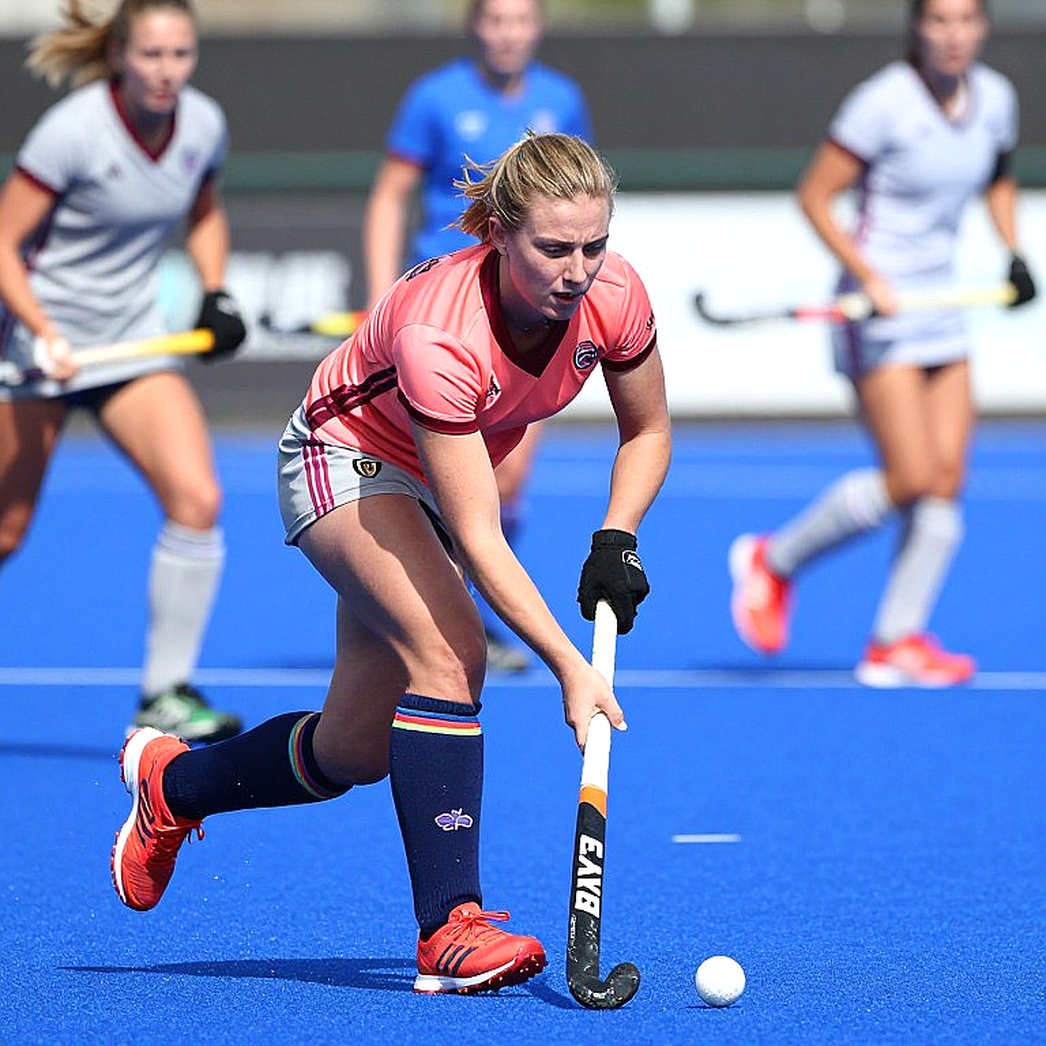
So the 2026 news is not, for me, simply good news. Bangladesh has replaced Pakistan in the Asian Champions Trophy — in Punjab, from October 27 to November 5, a six-nation continental tournament. The headline reads that fortune smiled on the Bangladesh hockey team. In my ledger the line reads differently: the vacancy is filled, but the bill is still pending. The distance between winning a seat and holding a seat is the subject of this piece.
Context: How the seat emptied
Pakistan Hockey Federation president Mohiuddin Ahmed Wani made it plain last month: whether Pakistan would play the Asian Champions Trophy in India depended on a state decision. Hockey here is no longer just hockey; the schedule is set by the calendar of border politics. Pakistan ultimately did not go, and Bangladesh walked into the vacant slot. The Asian Hockey Federation has released the schedule: six teams, a single round-robin, five matches per side, the top four into the semifinals, the fifth and sixth into a play-off.
The calendar deserves to be written down in one place, because it is the outline of Bangladesh's hardest test:
- October 27, 2026 — India vs Bangladesh, 7:30 pm
- October 29, 2026 — Bangladesh vs Japan, 5:15 pm
- October 30, 2026 — Malaysia vs Bangladesh, 3:30 pm
- November 1, 2026 — South Korea vs Bangladesh, 3:30 pm
- November 2, 2026 — China vs Bangladesh, 3:30 pm
- November 4, 2026 — play-off and semifinals
- November 5, 2026 — final
Note the shape of it: five matches in nine days, with no luxury of rest. October 29, 30 and November 1 give three matches on three consecutive days. In Asian hockey that congestion is a fitness test, and fitness is exactly where Bangladesh's oldest weakness lives.
Ledger 1: The arithmetic of five matches
The first match is the most brutal. On the evening of October 27, Bangladesh faces the defending champion and Asian Games gold medallist, India. Drawing the host and the strongest side in the opening match is not a bad draw; it is a kind of relief, because lower expectation is safer ground. Bangladesh's aim here is not to score but to limit the damage. In a round-robin, goal difference is an asset; losing 2-0 to India and losing 9-0 are not the same event.
The Japan match is Bangladesh's real final. October 29, 5:15 pm. Japan is the nearest rival in this table — the door to fourth place opens through them. Japan's hockey is disciplined; they counter quickly and turn small mistakes into large punishments. If Bangladesh falls behind in this match, the road back is steep.
Malaysia on October 30. The Speedy Tigers are among Asia's most organised sides and have sat regularly in the top four in recent years; their historical record against Bangladesh is also unfavourable. The realistic aim here is a point through resistance, or at least control of the goal difference.
South Korea on November 1 — three-time Asian Games champions. Korea start slowly but raise the tempo in the third and fourth quarters, precisely when Bangladesh's legs grow heavy. China on November 2 is, on paper, Bangladesh's most realistic opportunity; Chinese hockey is still struggling, and this is where the three points must come from.
November 4 brings the play-off and semifinals; November 5 the final.
Ledger 2: The table's mathematics — fourth place is the realistic ceiling
In a six-team single round-robin, the top four reach the semifinals. Finishing fifth or sixth means the tournament is over, with only a play-off as consolation. Realistically India, Malaysia and Korea are the claimants to the top three. Fourth place will be fought over by Bangladesh, Japan and China.
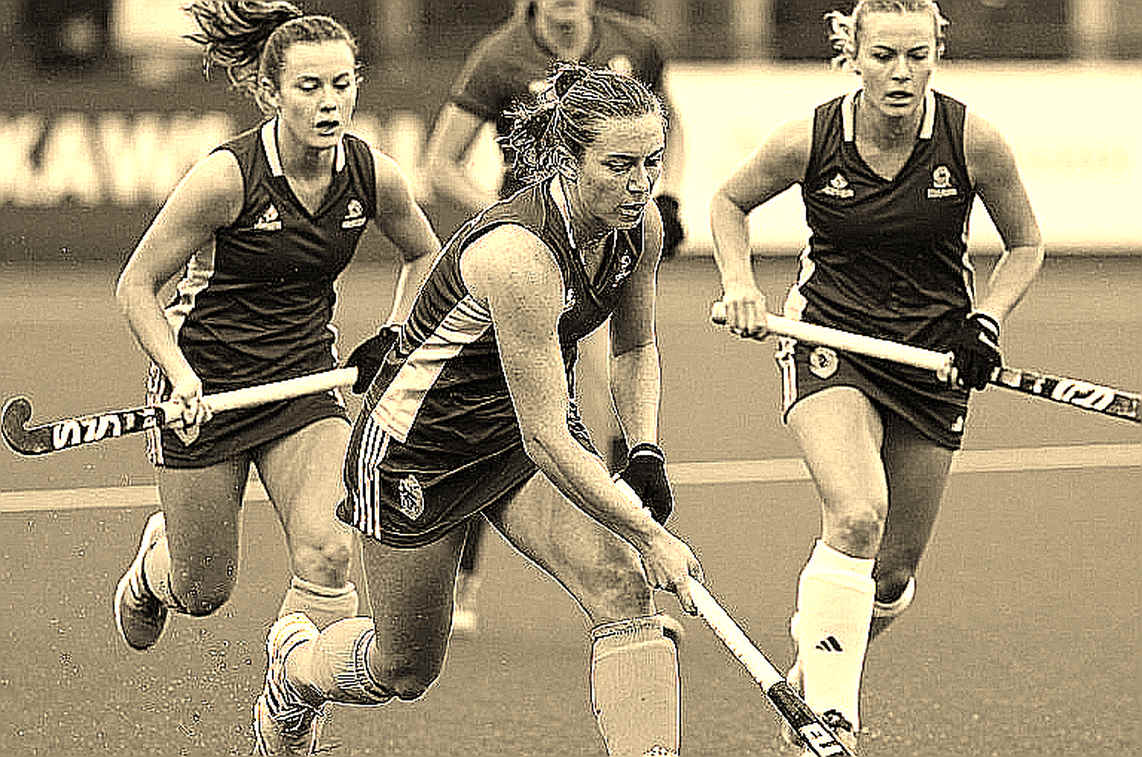
The sum is simple: Bangladesh must beat Japan and China, and add at least a point against Malaysia or Korea. Two wins make six points, enough to knock on the door of fourth. One win and two draws — five points — is probably not enough. And heavy defeats to India, Malaysia or Korea will let goal difference finish the job.
One thing should be said plainly here: Bangladesh reaching the semifinals does not mean winning the tournament; it is a test of a system, not the rebirth of a legend. And on that exam paper, five matches, nine days and three consecutive days of fitness are the real marks.
Ledger 3: The dataset — where Bangladesh actually stands
I follow the ledger until the legend confesses its arithmetic. So in place of emotion, a few numbers.
One artificial turf for a country of 170 million people. Outside Dhaka there is almost nothing. The national league has been held only 13 times in 27 years; the 2026 Premier Division season never happened and only returned in 2026. A goalkeeper's kit costs more than a village club's annual budget. These are not abstract complaints; they are the balance sheet of a system.
Two facts, however, argue for setting that picture aside. First, in December 2026 Bangladesh's junior team qualified for the World Cup — not consolation, but proof that the talent pool exists. Second, the 2026 tournament showed sponsors would fund hockey if the event is organised properly. The problem, then, is not on the pitch; it is at the federation's door. For a country that runs 170 million people on one turf, entering a six-nation tournament is not an honour; it is an audit.
Ledger 4: Two parallel declines, different mechanisms
Pakistan stepping out and Bangladesh stepping in, read together, look like two pages of the same story. But the ledger says the mechanisms differ, so the two datasets must be read separately.
Pakistan's decline is administrative and political. Their last Olympic gold came at Los Angeles 2026, their last World Cup title in 2026, and since London 2026 they have not played an Olympics at all — a continuity confirmed by International Hockey Federation and Olympic records. The federation has broken repeatedly, leadership has changed, the domestic league never sustained, players left for abroad. Pakistan now returns to hockey politics: whether to play a tournament is a border question.
Bangladesh's decline is a different type. There is no big-club culture here, no running league, no pipeline. The symptoms are the same — sustained absence from the international stage — but the causes differ: Pakistan broke under political and economic pressure, while Bangladesh never stood up for lack of infrastructure. Two banks of the same river, but the current runs at different speeds. Miss that difference and the comparison becomes sentiment, not analysis.
India is the counter-proof. The Hockey India League returned, a pipeline was built from junior to senior level, and the result is Olympic bronze in Tokyo and Paris. India showed the problem is not talent; it is system.
Contrarian: Not luck — this is an audit
The headline language says fortune smiled. I say luck is the wrong word. The seat did not fall from the sky; it opened through a border-politics decision — Pakistan was not cleared to travel to India. What Bangladesh has received is not recognition of merit; it is a vacancy.
And here is the real contrarian point: a slot is not a gift, it is a bill. For a system that could not run a league 13 times in 27 years, a six-nation tournament means a nine-day audit. If Bangladesh cannot handle three consecutive days of fitness, if the side collapses in the fourth quarter, this entry will add no prestige — it will only make the gap more visible.
On the archive side, one more thing. We have not reliably kept the box scores of many of Bangladesh's past matches; the record of the 2026 1-0 defeat survives only in fragments of memory and a few clippings. The archive is a stadium where forgotten matches still play. Documenting every match of this tournament properly — scoreline, line-up, penalty corners, cards — is itself an achievement no one can later erase. Nostalgia becomes dangerous only when there is no ledger behind it.
Two lines beyond the pitch: data and referees
In modern hockey, every match's data flows out in real time, and much of it reaches the doors of betting companies. As the game increasingly becomes a data commodity, what the spectator loses is ownership of the sport itself. Watching from in front of a screen over recent seasons, I have seen it again and again — the same match, the same data, and nothing left in the fan's hands.
The same holds for refereeing decisions. Hockey has a video umpire and referrals, but the explanation of a decision reaches the teams, not the spectators. The crowd and the viewer see the decision but not the reason; transparency becomes a slogan. If a controversial penalty corner or card arrives in a Bangladesh match at this tournament, fans will want an answer — and if the answer does not come, no result will leave them satisfied.
Takeaway: What the ledger will read after November 5
The final is on November 5; the semifinals on November 4. But Bangladesh's real examination is not on those days — it is on October 29 and November 2, against Japan and China. The results of those two matches will decide whether Bangladesh can knock on the door of fourth place or end the tournament in the fifth-sixth play-off.
And one question will remain afterwards. After November 5, will Bangladesh be back on this stage in 2027? Or was this a one-time rented seat — a slot secured by Pakistan's absence? The generation that won World Cup qualification in December 2026 is the real answer. If the federation keeps that cohort alive with a league, camps and international matches, then October 2026 becomes a beginning. If it does not, this too will remain a line — another date, another vacancy, another lost scoreline.
Like the 1-0 defeat of 2026. Surviving only as a number.